As parents, we prioritise our children’s health and well-being in every aspect of their lives. Yet, when it comes to vision, it’s easy to overlook the need for regular eye exams. We want you to understand the importance of scheduling routine eye exams for children and how early detection of vision issues can positively impact their academic performance and overall quality of life.
Why Regular Eye Exams Matter
Regular eye exams are essential for children as they play a crucial role in detecting vision problems that may otherwise go unnoticed. Many vision issues, such as nearsightedness, farsightedness, and astigmatism, can develop gradually and may not present obvious symptoms. Without early intervention, these conditions can hinder a child’s ability to learn, participate in activities, and interact with the world around them.
Academic Success and Vision Health
Clear vision is fundamental to a child’s academic success. Vision problems can affect their ability to read, write, and concentrate in class, leading to frustration, fatigue, and falling behind in school. Studies have shown that children with uncorrected vision issues are more likely to experience difficulties in learning and may be misdiagnosed with attention or behavioural disorders. By addressing vision problems early through regular eye exams, parents can help set their children up for academic success and lifelong learning.
When to Schedule an Eye Exam
According to the American Optometric Association (AOA), infants should have their first comprehensive eye exam with an Optometrist at 6 months of age. However it’s standard by the NHS that children get their eyes tested around 1 or between 2 and 2 and half years old followed by additional exams at age three, before starting school, and annually thereafter. However, if a child exhibits signs of vision problems or has a family history of eye conditions, earlier and more frequent eye exams may be necessary. Signs that may indicate a need for an eye exam include frequent squinting, rubbing of the eyes, holding objects close to the face, and complaints of headaches or eye strain.
What to Expect During an Eye Exam
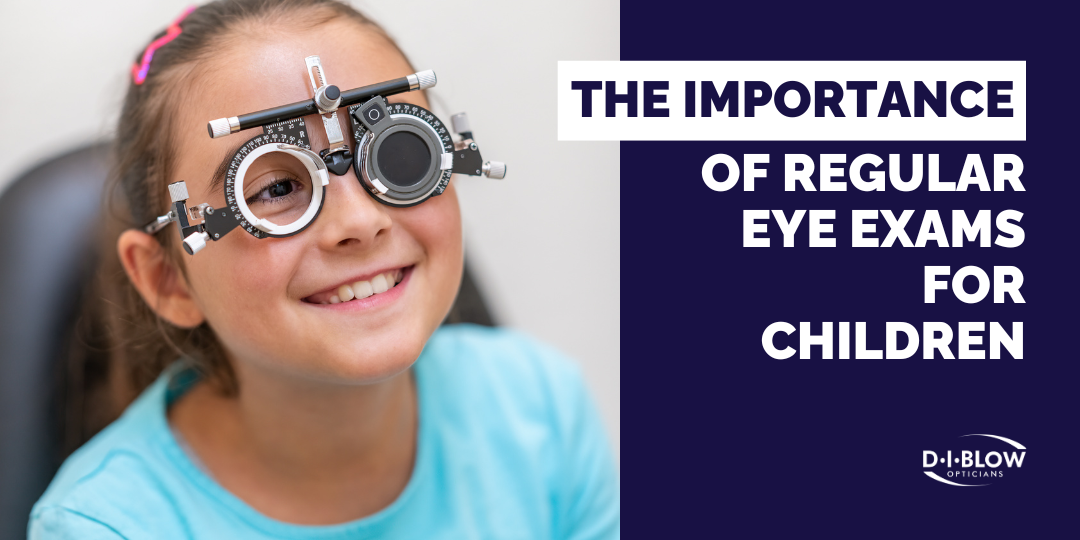
During a comprehensive eye exam, an optometrist will evaluate various aspects of a child’s vision, including visual acuity, eye alignment, focusing ability, and eye health. The exam may involve tests such as visual acuity tests, cover tests, and retinoscopy, as well as an assessment of the eye’s external and internal structures. Based on the findings, the optometrist can prescribe corrective lenses if necessary or recommend further evaluation and treatment for any underlying eye conditions.
Regular eye exams are essential for ensuring optimal vision health and academic success in children. By scheduling routine exams and addressing vision issues early, parents can help their children thrive both in and out of the classroom. If you haven’t already done so, make it a priority to schedule an eye exam for your child today. After all, clear vision is the key to unlocking their full potential.
At D.I. Blow Opticians, we’re committed to providing comprehensive eye care for the whole family. Contact us to schedule your child’s eye exam and set them on the path to clear vision and academic success.