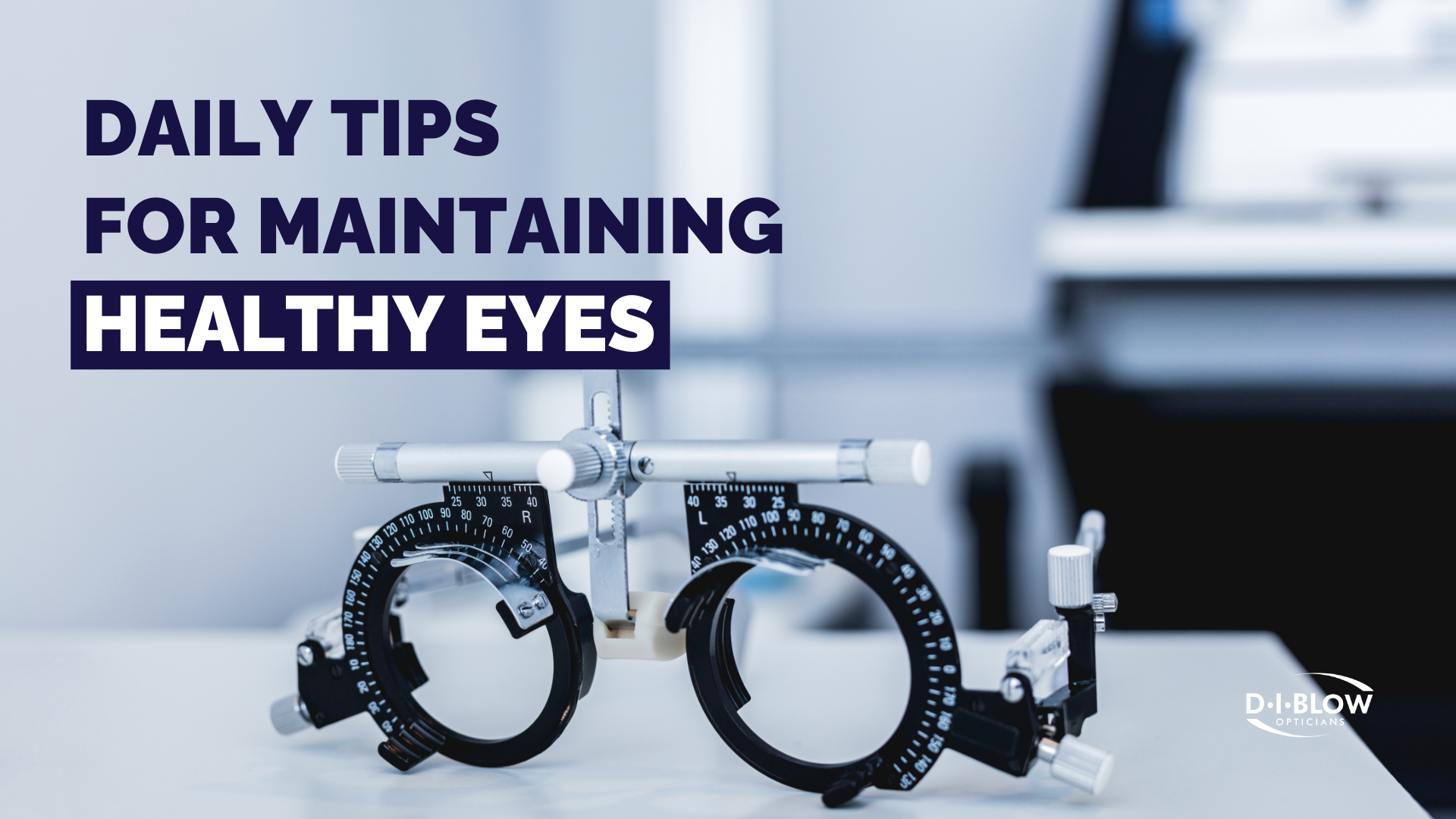
Never take your eye health for granted. Take these easy daily steps to maintain your vision and keep your eyes healthy.
1. Healthy Diet Means Healthy Eyes
The best way to start giving your eyes some love is by being selective about the foods you put into your body.
A well-balanced diet will do wonders for your eye health and will help you stay a healthy weight, reducing your chance of developing type 2 diabetes, the leading cause of blindness in adults.
The key nutrients you should be looking to include are:
- Omega-3 fatty acids
- Lutein
- Zinc
- Vitamin C
- Vitamin E
These will help to ward off age related vision problems like macular degeneration and cataracts.
Some of the best things to eat to get these nutrients include:
- Green leafy vegetables like spinach, kale, and collards
- Salmon, tuna, and other oily fish
- Eggs, nuts, beans, and other nonmeat protein sources
- Oranges and other citrus fruits or juices
- Oysters and pork
2. Wear Sunglasses
A good pair of sunglasses will protect your eyes from the sun’s ultraviolet (UV) rays. Too much exposure to the sun’s harmful UV rays can lead to cataracts and macular degeneration.
The best type of sunglasses will block 99% to 100% of UVA and UVB rays. Other sunglasses will offer different benefits. Wraparound glasses will protect your eyes from the side. Polarised lenses will reduce glare when you are driving or playing sports.
Even if you wear contact lenses, wearing sunglasses on top for the added UV protection is advised.
3. Have Screen Breaks
Staring at a computer, tablet, or phone screen all day can cause a range of problems for you and your eyes including:
- Blurry vision
- Eyestrain
- Trouble focusing at a distance
- Dry eyes
- Headaches
- Neck, back, and shoulder pain
To protect your eyes by following the 20/20/20 rule, every 20 minutes look at an object 20 ft away for 20 seconds. Other best practices include avoiding glare from windows and artificial lights, use an anti-glare screen if needed, try using artificial tears, and make sure your glasses or contact prescription is up to date.
4. Quit Smoking or Never Start
Smoking makes you more likely to develop cataracts, damage your optic nerve, and lead to macular degeneration, on top of other medical problems.
5. Wear Protective Eyewear at Work
Safety glasses or protective goggle are crucial if you work in a hazardous environment or are likely to have things flying around such as sparks from welding or wood chips from carpentry.
Protective eyewear should also be considered when playing sports. Use helmets with protective facemasks or sports glasses with polycarbonate lenses to shield your eyes.
6. Keep Germs Away With Good Cleaning Habits
This is especially important if you wear contact lenses. Always wash your hands before and after touching your eyes to prevent infections and stop dirt getting into your eyes.
You should also be regularly changing the solution that you store your contact lenses in.
7. Stop Rubbing Your Eyes
Rubbing your eyes is a common habit for those with tired or itchy eyes. This doesn’t actually help and can lead to injury and further discomfort. Instead, take a break and allow your eyes to rest.
8. Do Your Research and Know Your Family History
Some eye conditions are actually hereditary. Knowing your family history in terms of eye conditions can help you take preventative measures and detect conditions early.
Other factors that affect your susceptibility to eye conditions are being overweight or obese, having high blood pressure, or being of African American, Hispanic, or Native American descent.
9. Avoid Having Dry Eyes
Central heating, air-conditioning, and screens can all exacerbate dry eye problems. Many adults also suffer from dry eyes due to a health condition or the medication that they’re taking. Lubricating eye drops can soothe irritation and reduce discomfort.
10. Schedule Regular Check-Ups
Prevention is better than the cure. Everyone is recommended to have an eye test every two years or more if your optometrist recommends it. Having an eye test can help detect signs of underlying general health conditions such as diabetes, high cholesterol, and high blood pressure.
–
Do you remember when your last eye test was?
Book in with D. I. Blow Opticians for a comprehensive eye test today here!