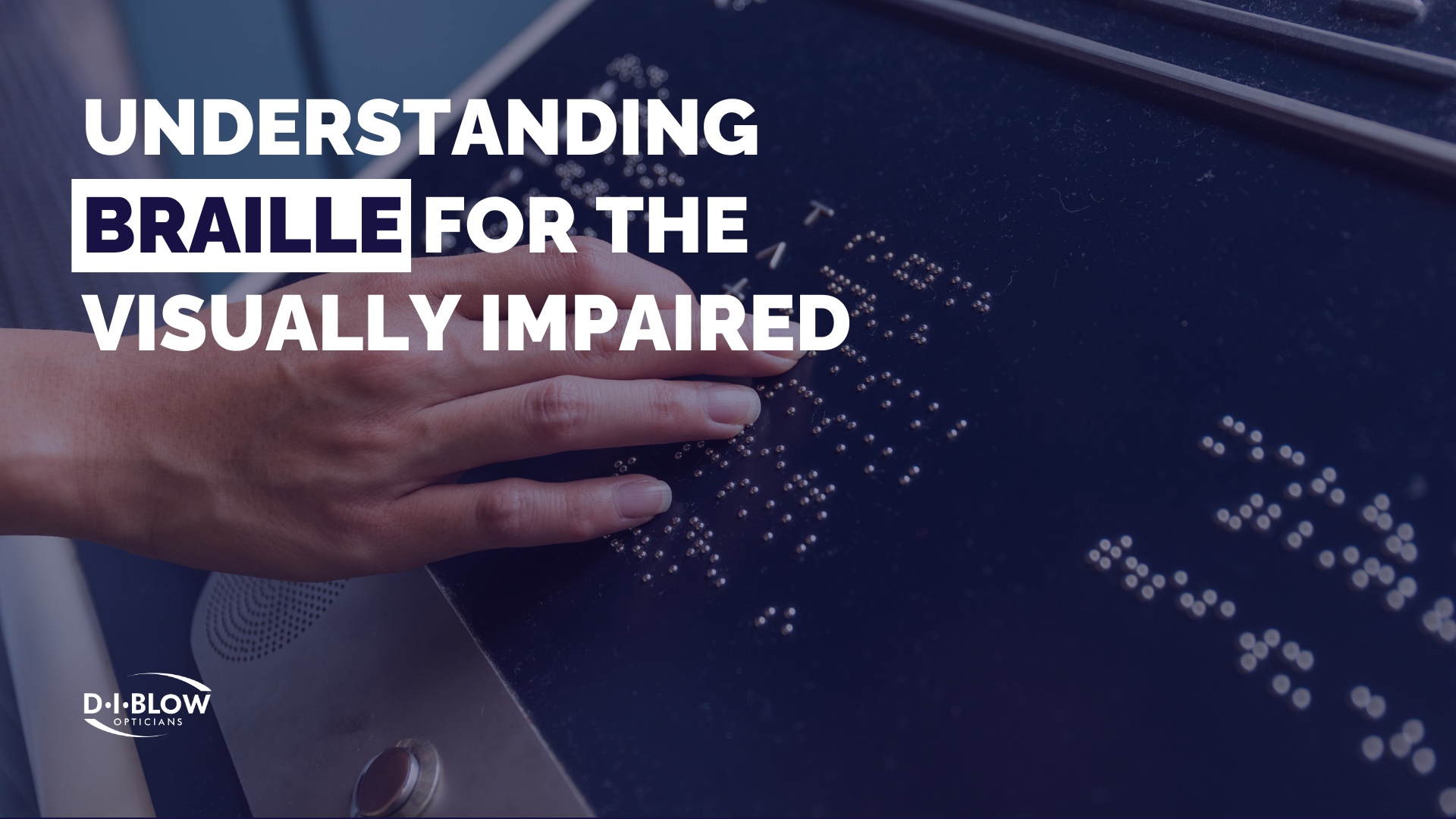
Braille is a unique tactile writing system of raised dots that blind and partially sighted people can read by touch.
The ability to understand braille means that people with sight loss have the same access to written word as sighted people and are able to enjoy reading for life.
Using a grid of six raised dots arranged in two columns of three dots each, with each combination of dots representing a letter, number, or punctuation mark, it’s a simple and efficient system with an array of benefits.
Invention of Braille
Braille is named after its inventor, Louis Braille, who at 15, created the first braille system in 1824. Louis Braille had an accident at aged 3 which left him blind in one eye, unfortunately an infection spread leaving him in total blindness. Having no aids available at the time, Braille created a system that would allow the blind and visually impaired to communicate and read. He would spend most of his remaining life perfecting this system.
How Braille Can Enhance Life for the Visually Impaired
- Opens Up a World of Communication: Braille helps develop the essential skills of spelling, punctuation, and grammar. While some people may prefer audio, reading braille can help with comprehending, engaging with, and retaining text information.
- Helps with Learning Math and Science: Braille can help with learning math and science because of its equivalents for symbols.
- Helps Promote Equality and Accessibility: Braille literacy provides blind and partially sighted people with access to the written word, and that fosters greater equality in society. The ability to read and write braille opens doors to independence.
- Provides Empowerment and Boosts Self-Esteems: Being literate in braille is crucial for self-confidence, it means that blind and vision impaired people can express themselves through the written word. Because they’re ble to understand and engage fully with written texts, they can manage their day-to-day life independently.
- Navigate with More Independence: Public spaces that include braille signage, for example braille on lift keypads or on doors, can really help people who read braille to maintain their independence when out and about. Braille labels on everyday items can also help to quickly identify what something is.
- Use of Technology: Digital assistive technology has further enabled braille use to become an efficient part of daily life for people with braille literacy. Braille notetakers and braille displays are a fast and efficient means of writing and transcribing braille.
Despite all these benefits, there is still a significant gap in its accessibility, particularly in countries like India where the braille literacy rate is shockingly low at just 1%. Braille literacy isn’t just about reading and writing, it’s allowing blind and visually impaired people to experience full, independent lives. Braille is a bridge to education, employment, and social inclusion.