Summer is here and it’s easy to just go outside without the proper protection on, but if you want to take care of your body and health it’s crucial you take the proper precautions.
The sun’s UV rays don’t only do damage to your skin, these harmful rays can also affect your eyes and can have long-term lasting effects.
What is UV Light?
UV light is a form of electromagnetic radiation.
There are 3 types of UV light based on wavelength range. UVA wavelength is 315 to 400 nanometers. UVB is 280 to 315 nanometers, and UVC is 100 to 280 nanometers.
Why Do I Need To Protect My Eyes From UV Light?
UV light more easily penetrates eye tissue than visible light, potentially increasing the risk of eye problems.
Among the 3 types of UV light, UVA emits the least energy but can cause the ageing of the skin.
UVB emits slightly more energy than UVA. UVB damages DNA directly and is responsible for sun burns and most UV-related cancers.
UVC emits even more energy than UVA and UVB but it is mostly blocked by the Earth’s ozone layer. Aside from the sun, UVC also comes from welding torches and UV sanitising bulbs. It more easily penetrates the skin, potentially damaging skin cell DNA and increasing skin cancer risk.
What Eye Problems Are Linked To Excessive UV Exposure?
Prolonged exposure to UV rays can lead to several eye problems including:
• Cataracts: Clouding of the eye’s lens that can impair vision.
• Macular Degeneration: Damage to the retina, affecting central vision.
• Photokeratitis: A painful, temporary condition similar to sunburn affecting the cornea.
• Pinguecula: A protein and fat deposit in the white part of the eye. It can cause irritation and, in rare case, affect how tears cover the eye.
• Pterygium: A growth that extends from the sclera to the clear tissue called the cornea, which covers the iris and pupil.
• Cancer: Including basal cell carcinoma and squamous cell carcinoma, both linked to UV exposure.
Solar Retinopathy
Solar retinopathy is damage to your retina from looking directly at the sun or other bright lights like laser pointers. Solar retinopathy can cause a variety of symptoms, including permanent low vision.
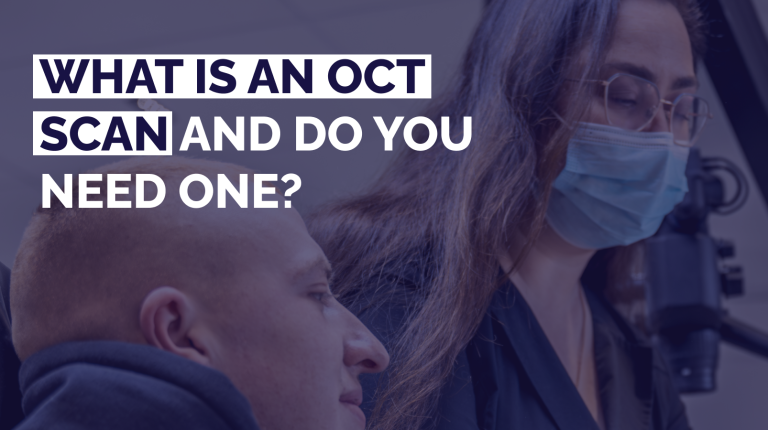
You will not be able to tell if you have solar retinopathy by looking at your eyes in a mirror. However, an ophthalmologist can see signs of solar retinopathy by examining your eyes using Optical Coherence Tomography (OCT). This imaging test allows your eye doctor to see damage or irregularities on your retina – they might see a small, yellow, round, damaged area.
What Are The Symptoms of Solar Retinopathy?
Mild symptoms of solar retinopathy include:
• Epiphora (watery eyes)
• Headaches
• Photophobia (sensitivity to light)
More serious symptoms of solar retinopathy include:
• Blurred vision
• Eye pain
• Metamorphopsia (straight lines appear rounded)
• Micropsia (objects appear smaller than they are)
• Scotoma (A blind spot in your line of sight)
In rare cases, solar retinopathy can cause blindness.
Management & Treatment
In most cases, solar retinopathy heals. In mild cases of solar retinopathy, symptoms and vision problems resolve on their own. In more severe cases, vision damage might be irreversible.
If you’re experiencing symptoms of solar retinopathy, schedule an eye exam with your optometrist right away. They will be able to help you manage symptoms like blurred vision, watery eyes, and blind spots.
Protecting Your Eyes From UV Rays
Wear Sunglasses with UV Protection:
Choose sunglasses that block 100% of UVA and UVB rays. Look for labels indicating UV400 or 100% UV protection. Wraparound styles provide added protection by preventing UV rays from entering from the sides. Find out more about UV400 protection here.
Opt for Polarised Lenses:
Polarised sunglasses reduce glare from reflective surfaces like water and roads, enhancing visual comfort and clarity. Find out everything you need to know about polarised sunglasses here.
Use Hats for Extra Shade:
Wear a wide-brimmed hat to provide additional shade and reduce UV exposure to your eyes and face.
Avoid Direct Sun Exposure During Peak Hours:
In peak, sunny hours, where possible, stay indoors or seek shade during these hours. Clouds do not block UV light.
Don’t Forget Protective Eyewear for Kids:
Children’s eyes are more susceptible to UV damage. Ensure they wear UV-protective sunglasses and hats when outdoors.
Keep Your Eyes Hydrated:
The summer heat can lead to dry eyes. Use lubricating eye drops to keep your eyes moist and comfortable.
Avoid Tanning Beds:
Tanning beds emit UV radiation that can be harmful to your eyes. Opt for sunless tanning products instead.
The Sun and Your Health
It’s not all doom and gloom, exposure to sunlight can have healthy effects. We need a little natural light every day to help us sleep well. The light-sensitive cells in our eyes play a role in our bodies’ natural wake-sleep cycles. This is especially important as we age and become more apt to get insomnia.
Spending time outside in the daylight can also help prevent shortsightedness in children.
Regular eye exams are essential for detecting any early signs of UV damage.